Publication of Family Nurse Partnership Natural Experiment Study
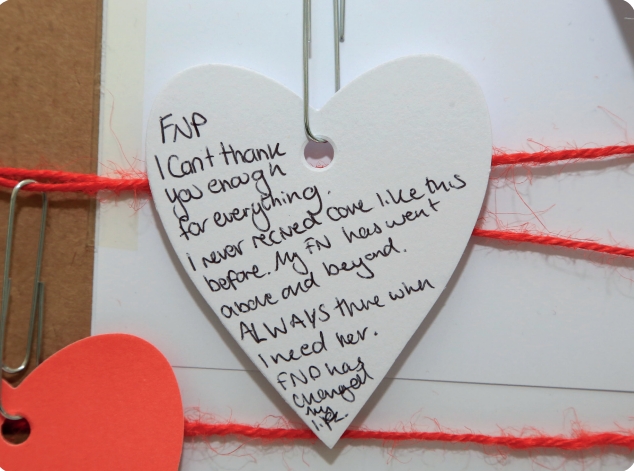
The Family Nurse Partnership (FNP) Natural Experiment Study was published on the 8th October 2024 on Cardiff University’s website. This study reports on outcomes for women and children who had received FNP and a comparison group who had not, between January 2009 and March 2016.
The FNP programme is tailored to meet the specific needs of young first-time parents from early pregnancy until their child reaches two. The report shows positive results for mothers and babies in areas of public health importance, such as breastfeeding and reduced exposure to second hand smoke.
Increases in breastfeeding over the past 10 years have been greatest among those groups with historically lower rates, such as younger women and those living in more deprived areas. This means inequalities in breastfeeding have reduced over time.
The Minister for Public Health and Women’s Health, Jenni Minto MSP, says:
“The Scottish Government appreciates that the youngest parents and their children are more likely to face adversity and inequality. That is why, the Family Nurse Partnership supports young, first-time mothers to prepare for parenthood and throughout the first two years of their child’s life. The programme is tailored to meet the specific needs of young parents.
We welcome the Cardiff University‘s report into Family Nurse Partnership Programme in Scotland that shows positive results for the supported mothers and babies in areas such as breastfeeding rates and reducing passive smoking, uptake in dental registrations and earlier identification of developmental concerns. This is testament to the hard work of the family nurses, and clearly shows the benefits of supporting families from pre-birth to early childhood, focussed on earlier intervention.
Recognising that these families are more likely to experience child poverty, we have recently increased the reach of this programme to older first-time mothers up to 25, including those who are Care Experienced.”
The findings in the Natural Experiment Study are similar to those in other FNP evaluations and include the following:
- FNP mothers had higher rates of breastfeeding at 10-14 days post-birth and 6-8 weeks post-birth.
- FNP mothers were more likely to reduce exposure of their child to second hand smoke earlier in the child’s life (11.2% reduction at 10-14 days and 3.9% reduction by 6-8 weeks).
- Significantly more children receiving FNP (61.8%) had been registered with a dentist by 24 months.
- Children receiving FNP are less likely to record a new developmental concern (19%) at 27-30 months. This indicates that developmental concerns for children in FNP are identified at an earlier age.
We welcome the findings in this report. As set out in the 2024-25 programme for government, it is important that we continue to learn how early preventative programmes, such as Family Nurse Partnership, impact on those at highest risk of poverty.
Chief Midwife for Scotland, Justine Craig, says:
“It is heartening to see these positive impacts from the Family Nurse Partnership programme for some of our youngest parents. We have learned a lot from this programme over the years, and from the nurses and midwives that deliver it. I look forward to continuing to learn from this programme and other early, preventative interventions to ensure that younger mothers continue to get access to the care and support they need, in an integrated and accessible way, where and when they need it.”
You can read the full report here: Evaluation of the Family Nurse Partnership (FNP) Scotland: A Natural Experiment Approach - Centre for Trials Research - Cardiff University